Protein Needs During Perimenopause and Beyond: Why it Matters For Midlife Health
Protein has become one of the most talked-about nutrients in recent years and for good reason.
While protein is important throughout life, it becomes particularly important during perimenopause and menopause when hormonal changes can affect muscle mass, strength, metabolism, appetite and body composition.
Many women are surprised to learn that not only do we tend to lose muscle as we age, but our bodies also become less efficient at using dietary protein to build and maintain muscle tissue.
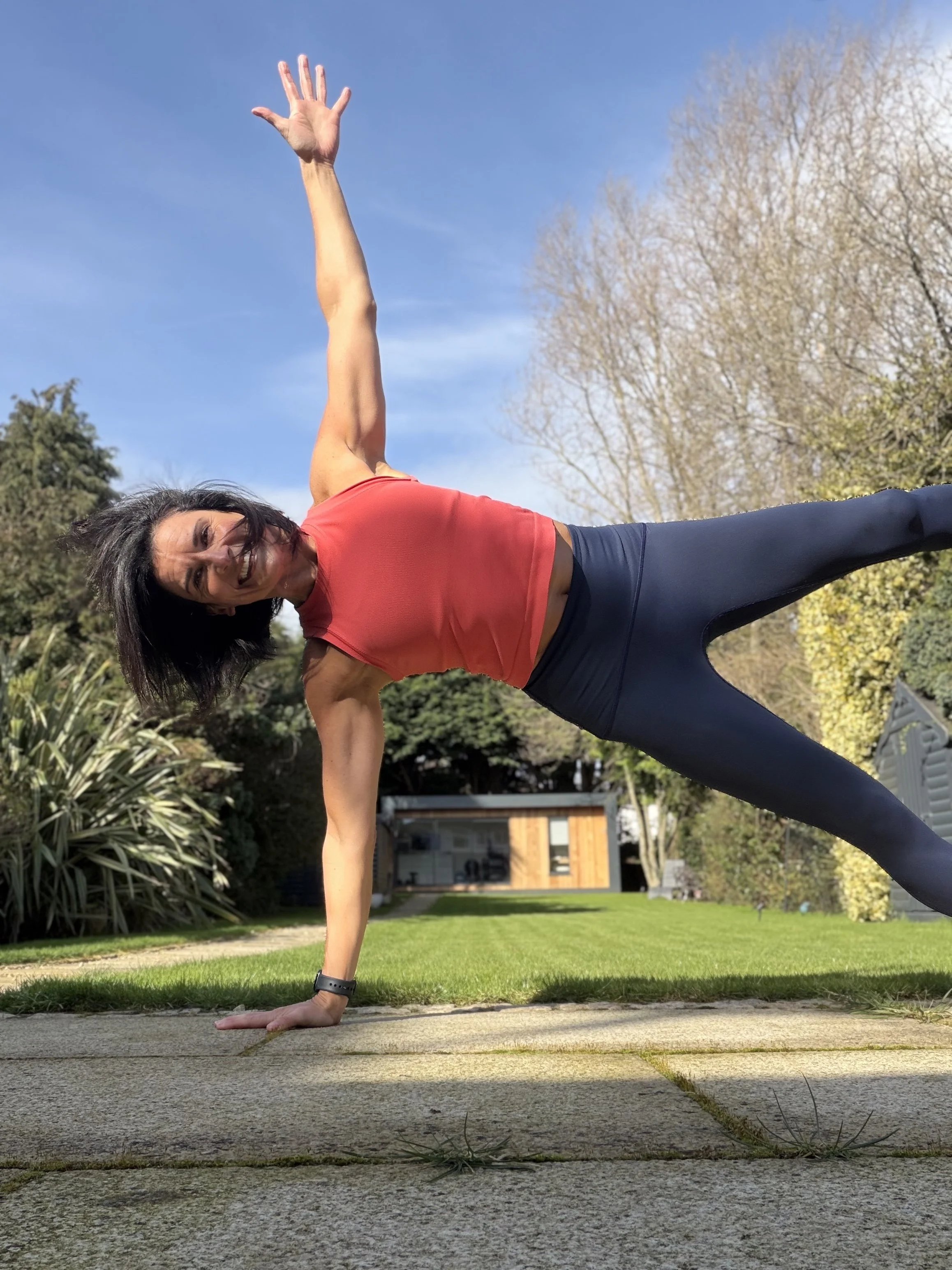
This means that getting enough protein becomes even more important during midlife and beyond.
Why Protein Matters
Protein is often associated with athletes and bodybuilders, but its role extends far beyond building muscle.
Protein is essential for:
Building and maintaining muscle tissue
Supporting bone health
Hormone production
Immune function
Recovery from exercise
Appetite regulation
Healthy ageing
Every cell in the body relies on protein to function effectively.
As we get older, ensuring adequate protein intake becomes increasingly important for maintaining strength, energy and overall health.
Muscle Loss Accelerates During Midlife
From our late 30s onwards, we naturally begin to lose muscle mass if we are not actively working to preserve it.
During perimenopause and menopause, declining oestrogen levels can accelerate this process.
Loss of muscle mass can contribute to:
Reduced strength
Lower metabolic rate
Increased body fat storage
Reduced mobility
Poorer blood sugar regulation
Increased risk of falls and injury
Many women notice changes in body composition during midlife, even if their overall weight has not changed significantly.
Maintaining muscle mass is one of the most effective ways to support metabolic health and healthy ageing.
We Don't Use Protein As Efficiently As We Age
One of the lesser-known changes that occurs with ageing is that our muscles become less sensitive to the muscle-building effects of protein.
This process is often referred to as anabolic resistance.
In simple terms, the body requires a stronger stimulus to build and maintain muscle than it did when we were younger.
As a result, women generally need:
More protein overall
Higher-quality protein sources
Protein distributed more evenly throughout the day
Strength training alongside adequate protein intake
This is one reason why many experts now recommend higher protein intakes for midlife and older adults than were traditionally advised.
Protein Supports Metabolic Health
Muscle plays an important role in metabolic health.
Healthy muscle tissue helps improve:
Insulin sensitivity
Blood sugar regulation
Energy production
Glucose storage and utilisation
When muscle mass declines, these processes can become less efficient.
By supporting muscle maintenance, adequate protein intake can help support better metabolic health during midlife.
Protein Helps Manage Hunger and Cravings
One of protein's greatest benefits is its effect on appetite regulation.
Compared with carbohydrates and fats, protein tends to be the most filling nutrient.
Including protein at meals can help:
Increase satiety
Reduce hunger between meals
Support more stable blood sugar levels
Reduce cravings
Improve energy levels throughout the day
Many women find that increasing protein intake is one of the simplest ways to feel more satisfied after meals and reduce mindless snacking.
Protein Supports Bone Health
Bone health becomes increasingly important after menopause.
While calcium and vitamin D often receive most of the attention, protein also plays an important role in maintaining healthy bones.
Research suggests that adequate protein intake, combined with resistance training, can help support bone strength and reduce age-related decline in bone density.
How Much Protein Do Midlife Women Need?
Protein requirements vary depending on body size, activity levels and individual goals.
However, research suggests that many women in midlife may benefit from consuming more protein than the traditional recommended daily allowance, particularly if they are strength training or looking to maintain muscle mass and support metabolic health.
Many experts now suggest aiming for approximately 1.2–1.6 grams of protein per kilogram of body weight per day.
As an example:
60kg woman: approximately 72–96g protein per day
70kg woman: approximately 84–112g protein per day
80kg woman: approximately 96–128g protein per day
Rather than focusing solely on the total amount consumed over the course of a day, it is also important to consider how protein is distributed.
As we age, our muscles become less responsive to smaller doses of protein, meaning we need a stronger stimulus to support muscle maintenance and repair.
This is one reason why many experts recommend aiming to include a meaningful source of protein at each meal, rather than consuming most of it at dinner.
For many women, a practical target is to aim for approximately 25–35 grams of protein at breakfast, lunch and dinner, depending on body size and activity levels.
Examples include:
Skyr natural yoghurt with berries and seeds & nuts
Eggs on wholegrain toast
Chicken or fish with a balanced lunch
Lean meat, fish, tofu or legumes at dinner
Combined with regular strength training, adequate protein intake can help support muscle mass, metabolic health, energy levels and healthy ageing throughout midlife and beyond.
Good Sources of Protein
Examples of high-quality protein sources include:
Fish
Chicken and turkey
Lean meat
Eggs
High protein natural yoghurt
Cottage cheese
Milk
Tofu
Tempeh
Edamame beans
Lentils and beans
Protein powders where appropriate
Final Thoughts
During perimenopause and menopause, protein becomes increasingly important for maintaining muscle mass, supporting metabolic health, improving body composition and promoting healthy ageing.
At the same time, our bodies become less efficient at using protein to stimulate muscle growth and repair, meaning we often need more protein than we did when we were younger.
Combined with regular strength training, adequate protein intake can help women maintain strength, support energy levels and build a healthier, more resilient body for the years ahead.
Need Support?
If you're unsure whether you're eating enough protein or would like support improving your nutrition, strength, energy levels or body composition during midlife, I offer one-to-one coaching designed specifically for women.
Get in touch to learn more about how I can help you create sustainable habits that support long-term health and wellbeing.