The Importance of Strength Training for Women in Midlife
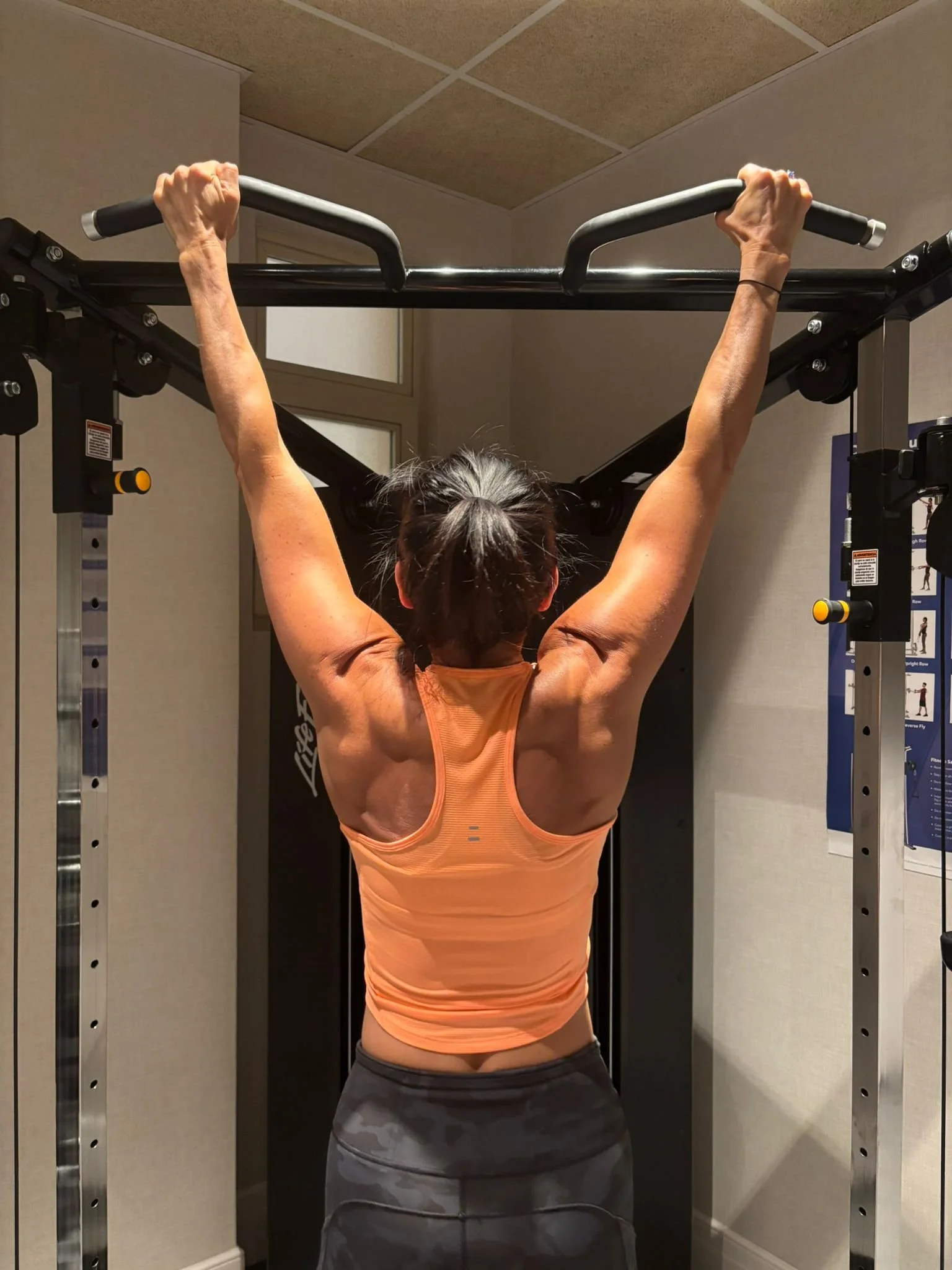
For many women, midlife can bring unexpected changes.
Energy levels may fluctuate, body composition can start to shift, weight gain may become easier and activities that once felt effortless can suddenly feel more challenging.
While hormonal changes during perimenopause and menopause certainly play a role, one of the most significant factors affecting health in midlife is often overlooked: muscle loss.
This is where strength training becomes one of the most powerful tools women can use to support their health, wellbeing and long-term quality of life.
Why Strength Training Matters More As We Age
From our late 30s onwards, we naturally begin to lose muscle mass if we are not actively working to maintain it.
This gradual decline in muscle can accelerate during perimenopause and menopause due to hormonal changes, particularly the decline in oestrogen.
Over time, loss of muscle mass can contribute to:
Reduced strength
Lower energy expenditure
Increased body fat storage
Reduced mobility and balance
Increased risk of falls
Reduced bone density
Declining metabolic health
Many women notice that the number on the scales may not change dramatically, but their body shape, strength and energy levels do.
This is often the result of losing muscle and gaining body fat, rather than simply gaining weight.
Strength Training Supports Metabolic Health
Muscle is not just important for movement and exercise.
It is a metabolically active tissue that plays a vital role in how the body manages energy.
Healthy muscle tissue helps to:
Improve insulin sensitivity
Support blood sugar regulation
Increase daily energy expenditure
Improve metabolic flexibility
Support long-term metabolic health
This is one reason why strength training is so important for women who are concerned about energy levels, body composition and healthy ageing.
Rather than focusing solely on weight loss, building and maintaining muscle can help create a stronger, healthier and more resilient body.
Strength Training Helps Maintain Bone Health
Bone density naturally declines with age, particularly after menopause.
As oestrogen levels decrease, women become more susceptible to bone loss and osteoporosis.
Strength training places healthy stress on the bones, encouraging them to maintain and build density over time.
Combined with adequate nutrition and protein intake, regular resistance training is one of the most effective strategies for supporting bone health and reducing the risk of fractures later in life.
Strength Training Improves Body Composition
Many women become frustrated when traditional dieting approaches stop producing results during midlife.
The reality is that body composition matters far more than the number on the scales.
Strength training helps to:
Preserve lean muscle mass
Reduce body fat
Improve muscle tone
Improve posture
Support a stronger, more capable body
When women focus on building strength rather than simply losing weight, they often find they feel healthier, more energised and more confident.
Strength Training Supports Everyday Life
One of the biggest benefits of strength training is that it helps women continue doing the things they enjoy for longer.
Strength supports:
Carrying shopping bags
Lifting grandchildren
Climbing stairs
Maintaining independence
Improving balance and stability
Preventing falls and injuries
Strength training is not simply about aesthetics or athletic performance. It is about maintaining the ability to live an active, independent life as we age.
Strength Training Can Improve Confidence
There is something incredibly empowering about becoming physically stronger.
Many women come to strength training hoping to improve their fitness or body composition, but often discover benefits that go far beyond the physical.
As strength improves, many women experience:
Greater confidence
Increased resilience
Improved self-belief
Better mood
A more positive relationship with exercise
The focus shifts from trying to make the body smaller to appreciating what the body can do.
What Counts As Strength Training?
Many women assume strength training means lifting heavy weights in a gym.
In reality, strength can be developed in many different ways.
Examples include:
Weight training
Resistance bands
Bodyweight exercises
Strength Pilates
Functional strength exercises
The most important factor is consistency.
A well-designed strength programme that is appropriate for your fitness level can deliver significant benefits, regardless of where you start.
It Is Never Too Late To Start
One of the biggest misconceptions about strength training is that it is only for younger people or experienced exercisers.
The truth is that women can improve strength, build muscle and support their health at any age.
Whether you are completely new to exercise or looking to return after a break, it is never too late to start reaping the benefits of strength training.
Final Thoughts
Strength training is one of the most effective things women can do to support their health during midlife and beyond.
It helps maintain muscle mass, supports metabolic health, improves body composition, strengthens bones, boosts confidence and promotes healthy ageing.
Midlife is not about becoming smaller. It is about becoming stronger.
By prioritising strength training, women can build a healthier, more energised and more capable body that supports them for many years to come.
Need Support?
If you would like support improving your strength, metabolic health, energy levels or body composition during midlife, I offer one-to-one coaching and Strength Pilates programmes designed specifically for women.
Get in touch to learn more about how I can help you build strength, improve confidence and feel healthier in midlife and beyond.