Why Your Bones Need More Than Just Calcium after Menopause
As women reach midlife, declining oestrogen levels can accelerate bone loss, increasing the risk of osteopenia and osteoporosis.
The good news? Bone is living tissue and responds to the demands we place on it.
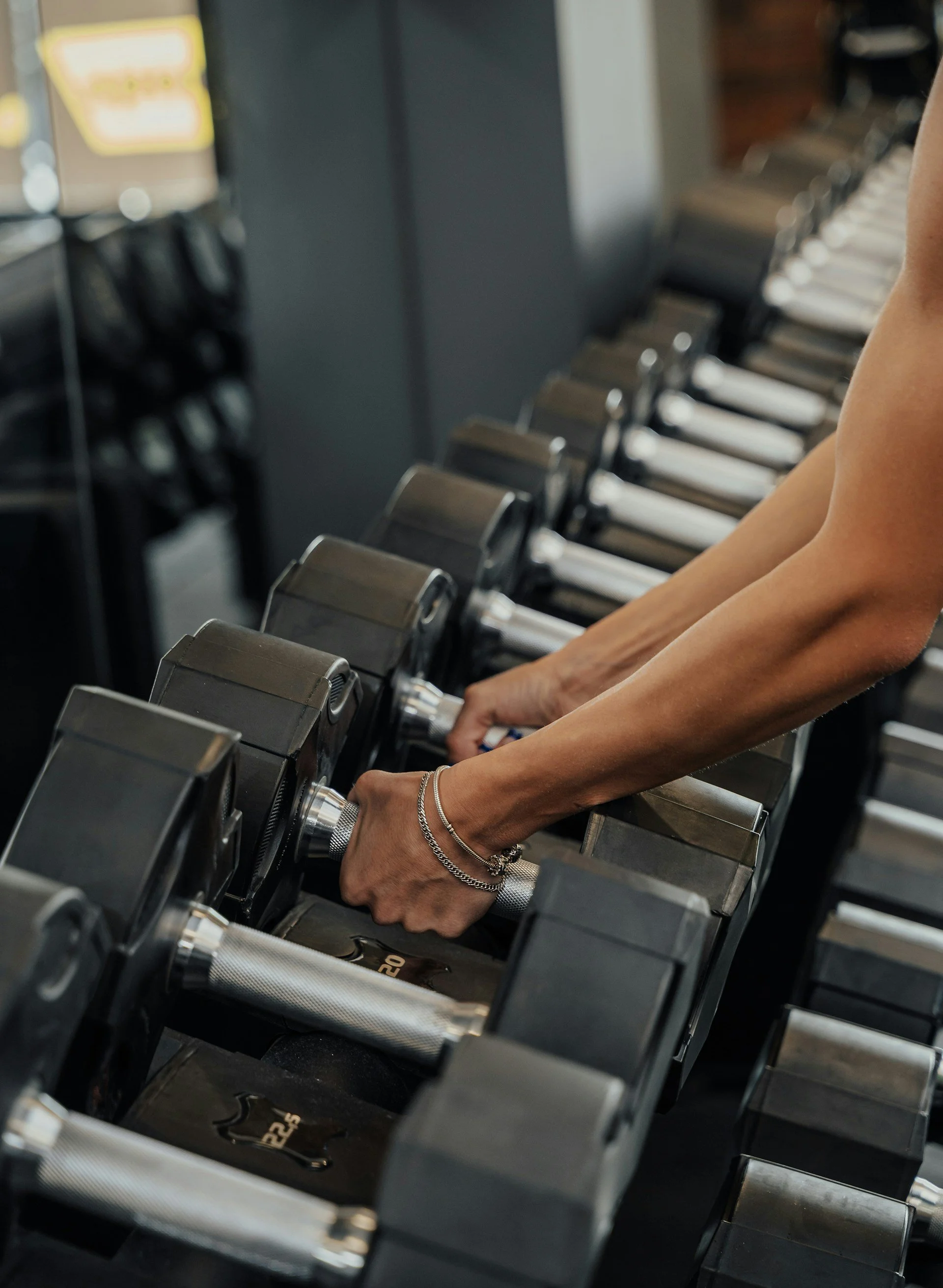
Weight-bearing and resistance exercises such as:
• Deadlifts
• Squats
• Lunges
• Step-ups
• Overhead presses
• Rows
• Carry variations (farmer carries, suitcase carries)
• Jumping and impact-based exercises (where appropriate)
all place mechanical stress on bones.
When muscles contract and pull on bones during these movements, the bone tissue senses this load and responds by stimulating osteoblasts, the specialised cells responsible for building new bone.
Over time, regular strength training can help:
Maintain or improve bone density
Slow age-related bone loss
Improve balance and stability
Reduce the risk of falls and fractures
Build strength and confidence for everyday life
The areas that benefit most from these exercises include the hips, spine, pelvis, wrists, shoulders and upper arms the very sites most vulnerable to osteoporotic fractures as we age.
Strength training isn’t just about building muscle.
It’s one of the most powerful investments you can make in your future mobility, independence and long-term health.
Strong muscles. Strong bones. Strong future.