Strength Training in Midlife - Technique Before Load
Why Movement Quality Needs To Come Before “Lifting Heavier” in Midlife Strength Training
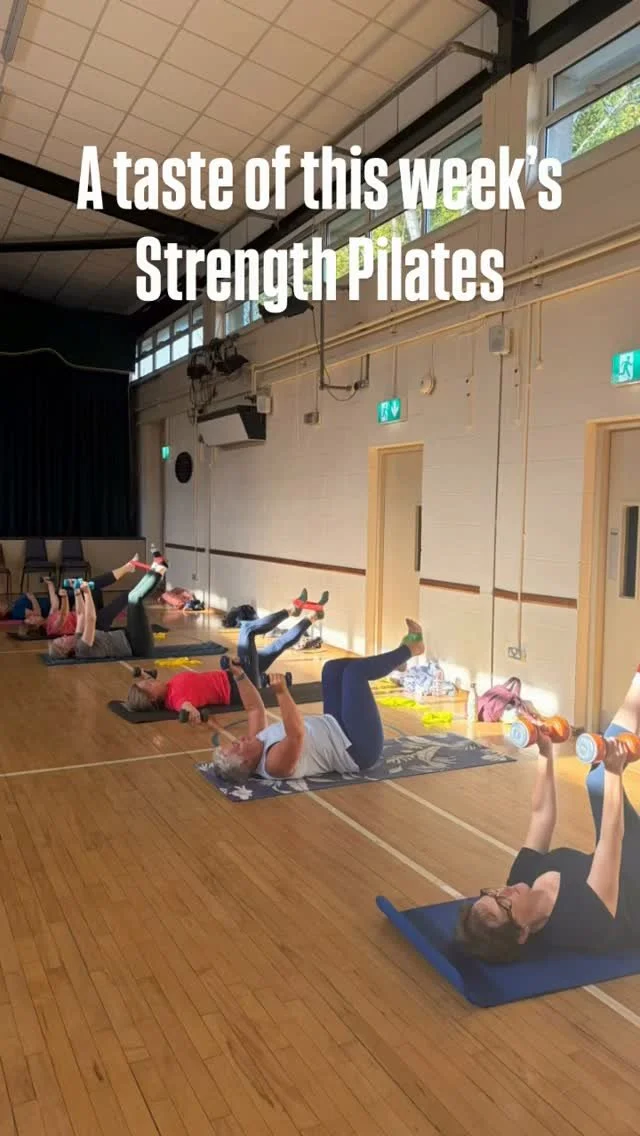
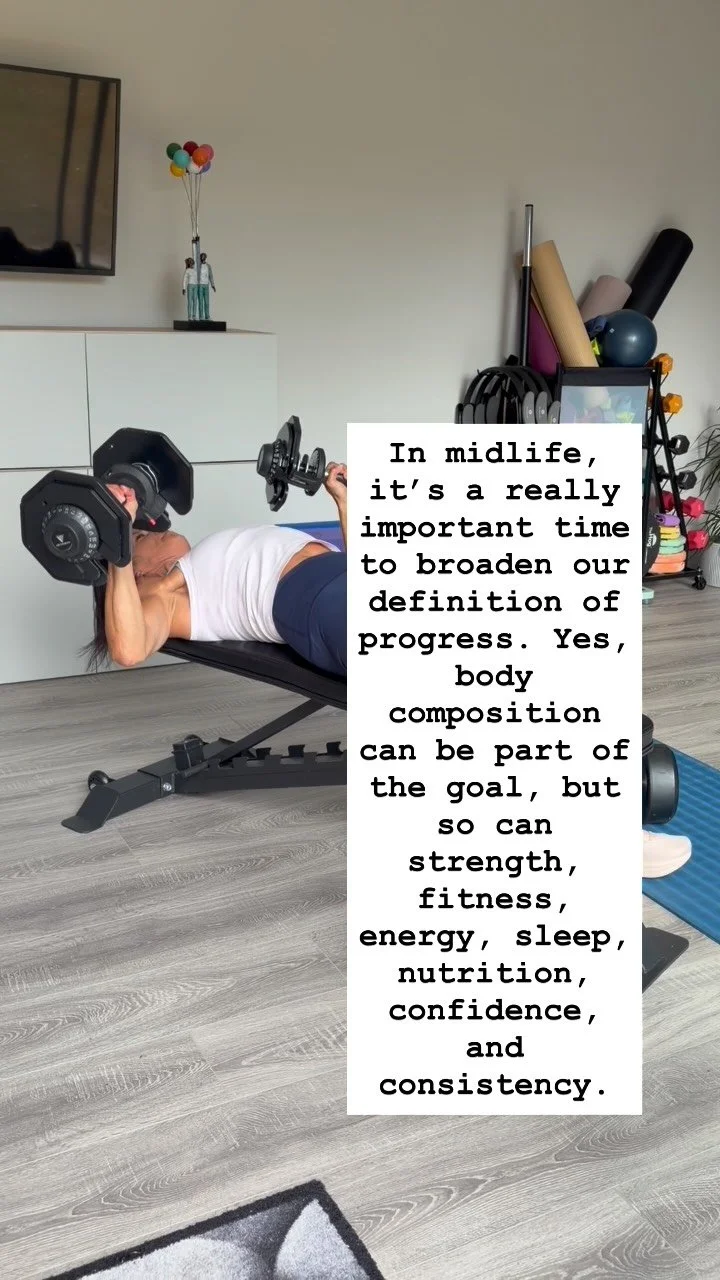
There is a lot of good messaging at the moment encouraging women in midlife to strength train and I’m very much in favour of that.
Strength training can support muscle mass, bone health, metabolic health, body composition, confidence and long-term physical function. It is one of the most valuable forms of exercise we can do as we age.
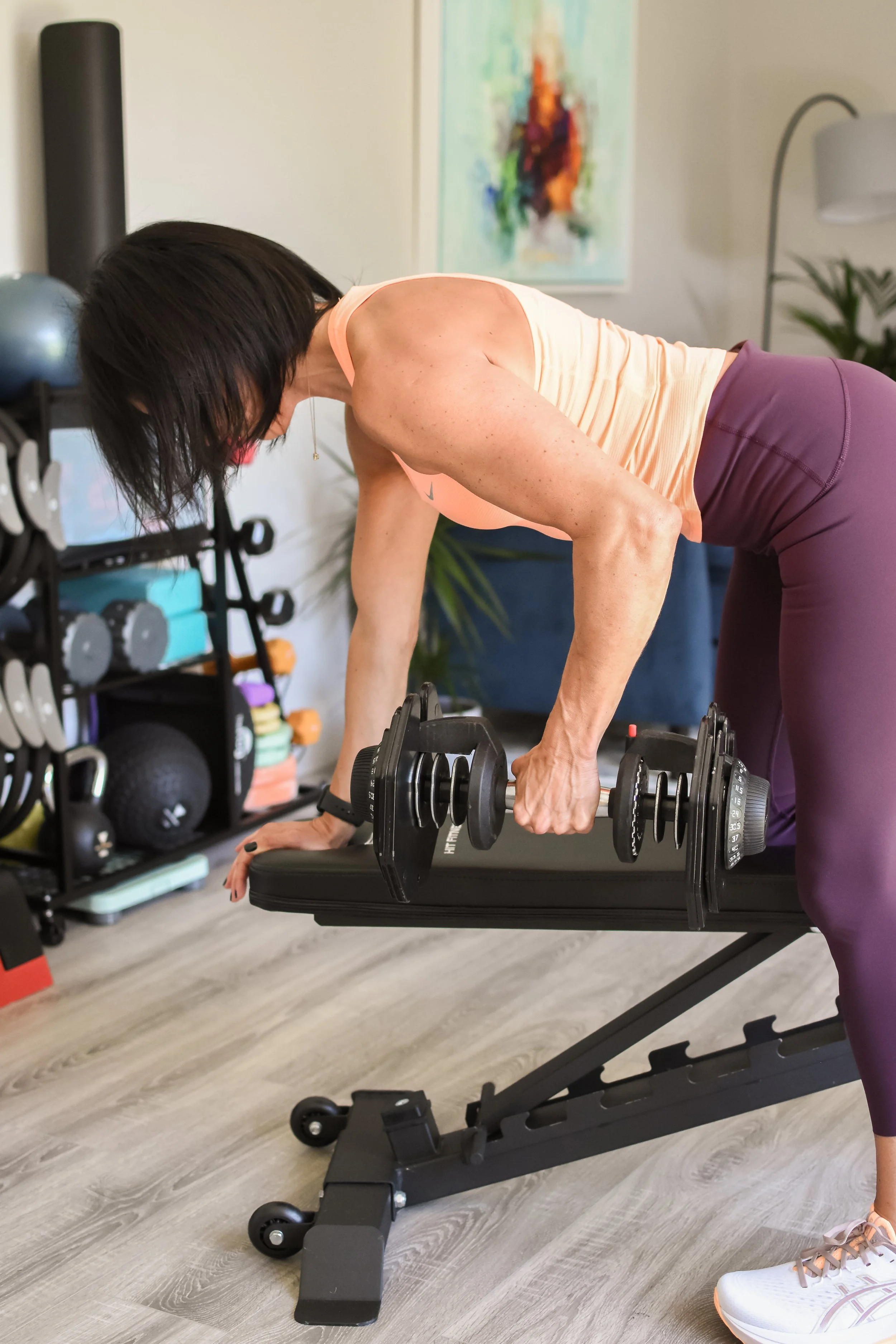
But there is one part of the conversation that I think often gets missed - Before we focus on lifting heavier, we need to focus on moving well.
Because for many women, the missing piece is not motivation.
It is not effort.
It is not a lack of willingness to challenge themselves.
It is that they have never really been taught how to set their body up well, how to perform the movement correctly, or how to feel which muscles should be doing the work.
That is where I believe the real starting point should be.
Strength Training Matters — But So Does How We Do It
When women hear the message to “lift heavy”, it can sound simple.
Pick up weights. Push harder. Add load.
But good strength training is not just about adding resistance. It is about applying resistance to a movement pattern that is technically sound.
If we add heavy load to poor alignment, poor control or an ineffective movement pattern, we are not necessarily building strength in the most effective way. In some cases, we may simply be reinforcing compensation patterns and increasing the risk of discomfort or injury. That does not mean women should be afraid of lifting weights. Far from it. It means that movement quality should come first, and load should build on top of that foundation.
What Do I Mean by “Moving Well”?
Moving well does not mean moving perfectly. It means understanding the basic mechanics of an exercise and being able to perform it with reasonable control and awareness. That usually begins with a few key elements:
1. Alignment
How is your body set up before the movement even begins?
Can you find a stable starting position?
Can you stack your joints well, organise your posture and create support through your trunk?
Good alignment often makes the movement itself feel more efficient and more connected.
2. Mind-Muscle Connection
Do you understand which muscles are supposed to be doing the work?
Can you feel the difference between “moving the weight” and actually using the intended muscles well?
This matters because many women unconsciously compensate. They may overuse the lower back instead of the glutes, the neck instead of the upper back, or momentum instead of muscular control. Learning to connect to the muscles you are trying to train is a very important part of effective strength work.
3. Movement Mechanics
Do you understand the basic movement pattern?
Can you hinge from the hips?
Can you squat without collapsing through the trunk?
Can you push and pull with control?
Can you brace appropriately?
These are not “advanced” skills. They are the foundation of good strength training.
4. Control
Can you control the movement throughout the whole range, not just complete the rep?
Can you lower the weight with control rather than simply letting gravity take over?
Can you maintain technique as the set becomes more challenging?
Control tells us a lot about whether the body is ready for more load.
Why This Matters Even More in Midlife
Midlife is often the stage when women become more interested in strength training and for good reason. As we age, we naturally become more vulnerable to losing muscle mass and strength. Bone density also becomes more important, particularly around and after menopause. Strength training helps protect against these changes and supports how capable, steady and resilient we feel in our bodies. But midlife is also a time when many women are carrying old injuries, niggles, stiffness, reduced confidence in certain movements or simply years of not having been shown how to train properly.
That is exactly why a “just lift heavy” message can be too blunt.
For some women, it works because they already have the movement skills, training history and support to progress safely.
For many others, what they really need first is:
better movement awareness
more confidence with the basics
a better understanding of body positioning
and guidance on how to load the movement gradually
That is not a step backwards. It is often the smartest way to build strength for the long term.
Does This Mean We Never Lift Heavy?
Not at all. Progressive overload is an important principle in strength training. If we want muscle, bone density and strength to improve, the body needs a reason to adapt. That means the work does need to become more challenging over time. But “heavier” is not always the first or only form of progression.
Progression might mean:
improving technique
increasing range of motion
slowing the tempo
improving stability
completing more reps with good form
adding another set
or eventually increasing load
Heavier loading becomes far more useful when it is layered onto a movement that is already technically solid.
So my message is not:
Don’t lift heavy.
It is:
Learn to lift well first - then build challenge progressively.
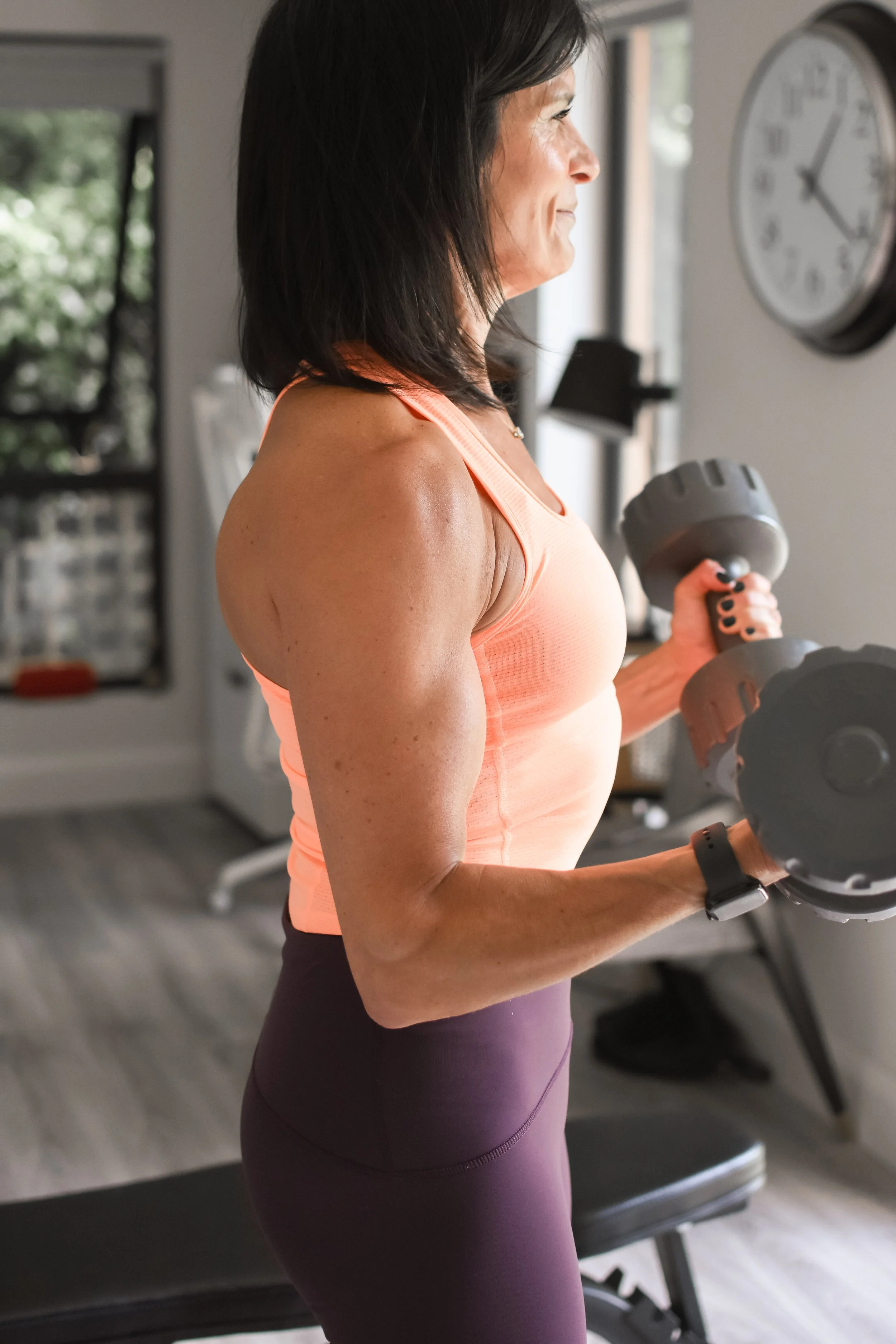
What Are the Key Movement Patterns to Learn?
Most good strength programmes revolve around a small number of foundational patterns.
These include:
Push
Examples: chest press, shoulder press, push-up variations
Pull
Examples: rows, pulldowns, band pulls
Hinge
Examples: deadlift patterns, Romanian deadlifts, hip hinge drills
Squat
Examples: bodyweight squats, goblet squats, sit-to-stand patterns
Lunge / Split Stance
Examples: reverse lunges, split squats, step-ups
Carry / Brace / Stabilise
Examples: loaded carries, core work, anti-rotation work
When women learn these patterns well, they often become much more confident in the gym or in strength-based classes because they are no longer just copying exercises, they understand what the movement is trying to do.
How Do You Know When You’re Ready to Add More Load?
You are probably ready to progress when:
you can set yourself up well
you understand the movement
you can maintain good control throughout the set
your technique stays solid even when the movement becomes more challenging
and the current load no longer feels sufficiently demanding
If, on the other hand, your body position falls apart, you lose control, you cannot feel the intended muscles working, or you are using momentum to get through the reps, it may be wiser to refine the movement before adding more weight.
My Main Takeaway
If there is one thing I would like women to take from this, it is this:
The goal is not to lift heavy for the sake of it.
The goal is to train in a way that helps you build strength effectively, safely and progressively for the long term.
Strength matters enormously in midlife. But how we build it matters too.
So before you rush to add more load, ask yourself:
Do I understand the movement?
Can I set my body up well?
Can I control the movement?
Do I know which muscles I’m trying to work?
Is my technique staying sound as the exercise gets harder?
If the answer is not yet, that is not a problem.
It simply tells you where your real opportunity lies.
Lift better before you lift heavier.
Because when movement quality comes first, strength has much stronger foundations to grow from.